Blogs
Contrary to popular belief, the written word is not dead
Blogs are by no means dead. But in a world where the marketing landscape has been irreversibly altered by the AI onslaught of LLMs, a smart content marketing program that employs blogs must consider both kinds of visitors: human and machine.
The very first blog I created was for my Dare Dreamer Media video agency. It was a personal project that published a new post every weekday. With a couple of years, it attained an Alexa ranking of 78,000. That seems like a big number, but for any blog to be ranked in the top 100.000 was quite a feat.
In the nearly twenty years since I ran that blog, I’ve had the pleasure and opportunity to build successful blog properties for startups and tech giants alike.
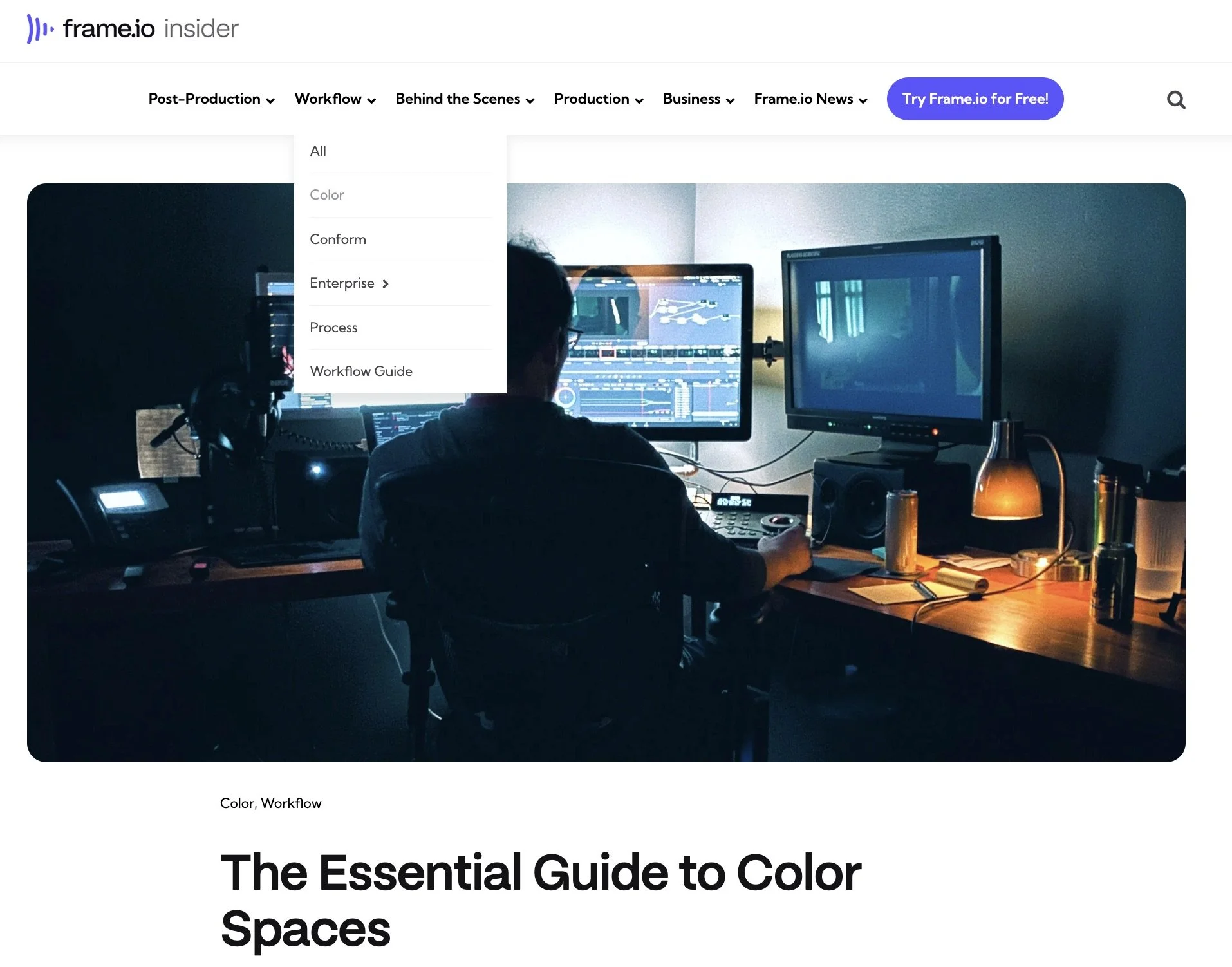
At Frame.io, I helped start and eventually build The Frame.io Insider to become the definitive editorial voice in professional post-production and filmmaking with 1.7 million annual views, 30%+ year-over-year growth, and top-two keyword rankings across 300+ terms.
“The Frame.io blog is easily top of my list to read. Honestly it’s one of only a handful that I pay any attention to at all. The insight that is consistently brought there is incredibly valuable! Ron is one of my favorite people to work with. Honest, genuine, and a pro is something that is pretty rare in this business.”
Ryan Connolly, FilmRiot/Triune Films
“It’s rare that a post-production resource can both inform and entertain. The Frame.io blog is invaluable. Ron Dawson is an absolute pleasure to work with.”
Robert James Ashe
Lead Editor for Conan O’Brien
“I love the Frame.io blog as it’s to-the-point and honest. Doesn’t read like an internal news letter, but more a non bias opinion of the real world.“
Mark Toia, Award-winning international commercial filmmaker
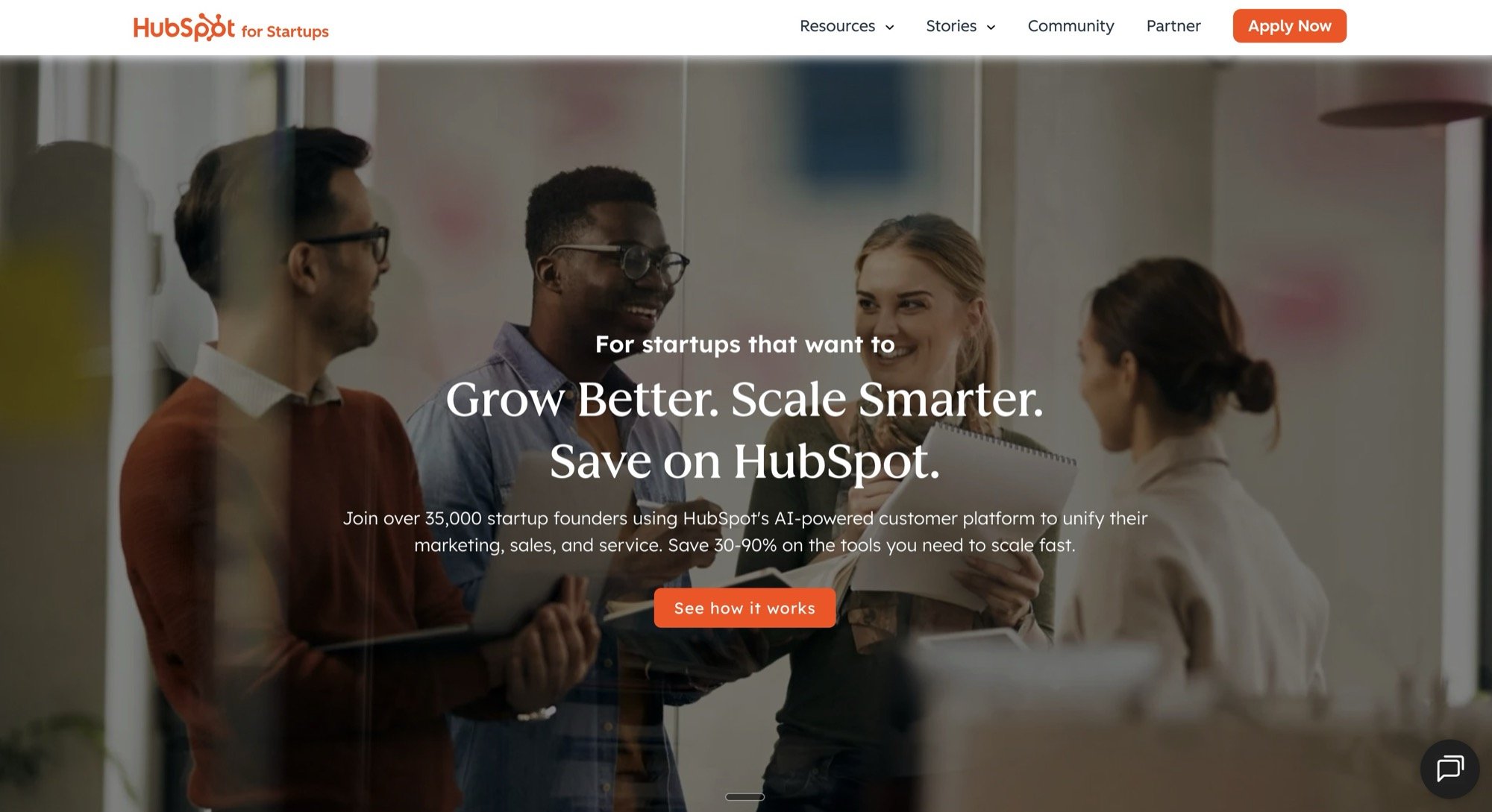
At HubSpot for Startups, I turned a discount landing page into five blogs, a newsletter, a magazine, and a 9,000-follower LinkedIn channel. Organic traffic tripled. Organic share of traffic went from 33% to over 50% in two years. I was also at HubSpot while they developed their Loop Marketing framework—a playbook for blogs to succeed in an AEO-influenced landscape.
What is built
I take the role of your managing editor. I own the calendar, the briefs, the line edit, and the quality bar. You get a publication instead of a posting habit.
Battle-tested blogger
-
What your publication believes, who it's for, and what it will never publish. This takes a week and saves you two years.
-
Pillars, franchises, and recurring formats that compound — instead of a keyword spreadsheet that produces orphans.
-
Real writers with real domain expertise, sourced and managed from the collective. Briefed properly, edited hard.
-
I'm AI-native and unsentimental about it. AI is exceptional at research, outlining, brief development, and structural editing. It is terrible at having a point of view. I build the pipelines that use it for the first thing and keep it away from the second.
-
A voice guide, a review process, and someone senior who says no. Mostly the last one.